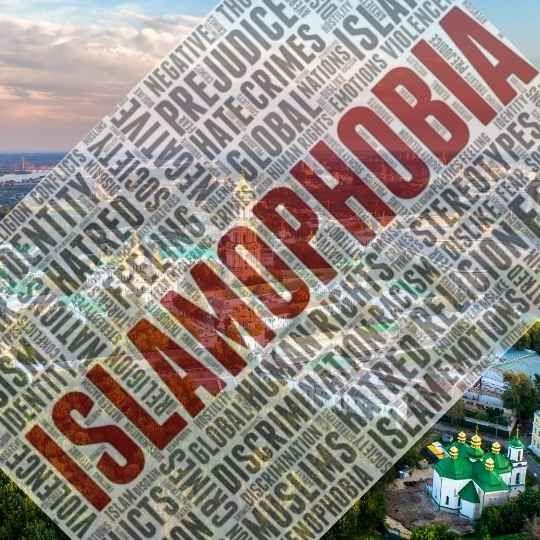
The United Kingdom has long projected itself as a model of multicultural democracy, a country where diversity, coexistence, and religious tolerance are celebrated as pillars of modern British identity. Yet the latest findings released by Tell MAMA, an organisation monitoring anti-Muslim hate in Britain, expose a deeply troubling reality beneath that image. According to its 2024 report, verified cases of anti-Muslim hatred surged to record levels, with nearly 6,000 confirmed incidents recorded across the country. The figures are not merely statistics; they are evidence of a growing social fracture that Britain can no longer afford to ignore.
The sharp rise in Islamophobic incidents reflects more than isolated acts of prejudice. It points towards the normalization of hostility against Muslims within parts of public discourse, politics, and digital media ecosystems. The report notes that anti-Muslim abuse increased dramatically following both the Israel-Gaza conflict and the Southport murders in 2024, events that triggered an avalanche of online misinformation and inflammatory rhetoric. Muslims were once again collectively portrayed through the lens of extremism, suspicion, and national insecurity.
Perhaps the most alarming aspect of the report is not simply the increase in numbers, but the changing social atmosphere surrounding Islamophobia itself. Hate directed toward Muslims is no longer confined to fringe extremist groups. Increasingly, it is reinforced indirectly through mainstream narratives, sensationalist media framing, and political language that associates Muslim identity with radicalism, demographic threat, or cultural incompatibility.
The consequences are visible on Britain’s streets. Muslim women wearing hijab continue to face verbal abuse in public spaces, while Muslim men are increasingly viewed through security-oriented stereotypes. According to Tell MAMA, more Muslim men than women were targeted for the first time since the organization was founded in 2012. This shift reflects how deeply anti-Muslim narratives have evolved in the aftermath of global conflicts and domestic political tensions.
The role of social media platforms in accelerating this hostility cannot be understated. Platforms such as X, formerly Twitter, have become fertile ground for misinformation, conspiracy theories, and organized hate campaigns. Following the Southport murders, false claims regarding the attacker’s identity spread rapidly online, fuelling unrest and anti-Muslim sentiment before verified facts emerged. This pattern reveals a dangerous reality of the digital age: emotional misinformation travels faster than truth, while algorithms reward outrage, fear, and division.
Britain is not alone in facing this challenge. Across Europe, anti-Muslim rhetoric has increasingly become intertwined with populist politics, immigration debates, and nationalist narratives. Muslims are frequently presented not as citizens, but as cultural outsiders whose loyalties and identities are constantly questioned. The political mainstreaming of such narratives has gradually legitimized sentiments that once remained socially unacceptable.
However, Britain’s case carries particular significance because of the country’s historical identity as a liberal democratic society built upon pluralism and rule of law. British Muslims are not outsiders to the nation’s fabric. They are doctors, teachers, journalists, academics, entrepreneurs, civil servants, and elected representatives contributing to every sphere of British society. Yet despite this integration, many continue to experience collective suspicion simply because of their religious identity.
What makes Islamophobia particularly dangerous is its ability to disguise itself as legitimate political debate. Criticism of extremism, immigration policy, or international conflicts is entirely valid within democratic discourse. The problem emerges when entire communities become generalized and dehumanized through irresponsible rhetoric. When Muslims are repeatedly associated with terrorism or portrayed as threats to “British values,” prejudice gradually transforms into social acceptance.
The response from the British government acknowledging the findings as “extremely concerning” is important, but statements alone are insufficient. Tackling Islamophobia requires structural action rather than symbolic condemnation after every surge in hate incidents. Law enforcement agencies must improve hate crime reporting mechanisms and ensure greater accountability for online incitement. Educational institutions must strengthen media literacy to combat misinformation and digital radicalization. Most importantly, political leaders and media figures must recognize the influence of their language in shaping public perceptions.
There is also a pressing need for consistency in defending minority rights. Western democracies often position themselves globally as defenders of religious freedom and human rights. Yet such principles lose moral credibility when Muslim communities within those same societies increasingly feel unsafe, stereotyped, or politically marginalized.
At its core, the rise of Islamophobia is not merely a Muslim issue. It is a democratic issue. A society that normalizes hatred against one community ultimately weakens the principles of equality, justice, and coexistence for all citizens. Britain now stands at a crossroads where it must decide whether diversity will remain a genuine national strength or become another casualty of political polarization and digital extremism.
The warning signs are already visible. The question is whether Britain is prepared to confront them before prejudice becomes further embedded within the social mainstream.
Author is a student of LLM at University of Law



This Post Has One Comment
Pingback: The Rise of “Algorithmic Warfare” in the Digital Age - The Advocate Post