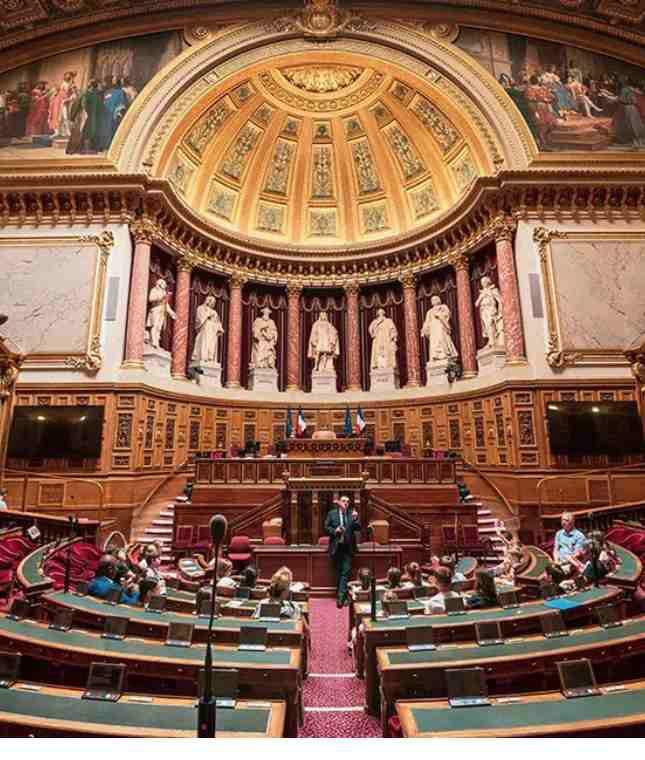
Paris: France is taking a significant step toward restricting children’s access to social media, as the country’s Senate has approved a bill that would prohibit users under the age of 15 from joining certain platforms.
The legislation, backed by President Emmanuel Macron, reflects growing concern among European leaders about the impact of digital platforms on young people. Macron has previously argued that children’s emotions should not be “commodified or manipulated” by powerful tech algorithms.
The newly passed Senate bill introduces a two-tier system for regulating social media platforms. Under this framework, platforms deemed harmful to children’s “physical, mental, or moral development” could face a complete ban for users under 15. Meanwhile, platforms considered less harmful may still be accessible but only with explicit parental consent.
The proposal differs slightly from earlier legislation approved by France’s lower house, which called for a stricter approach requiring platforms to block underage users entirely and delete existing accounts belonging to that age group.
Importantly, the Senate’s version includes exemptions for educational services and online encyclopedias, signaling an effort to balance child protection with access to learning resources.
France’s move comes amid a broader European push to regulate youth access to digital platforms. The European Parliament has already proposed guidelines suggesting that children under 16 should need parental permission to use social media, while those under 13 could face a full ban regardless of consent.
Other European nations are exploring similar measures. Spain’s Prime Minister Pedro Sánchez has proposed banning social media access for children under 16 and introducing stricter age verification systems. In the United Kingdom, Prime Minister Keir Starmer is overseeing pilot programs to test potential restrictions, with a national decision expected later this year.
The growing momentum suggests that Europe may soon adopt some of the strictest youth social media regulations in the world, potentially setting a global precedent for how governments address the risks of the digital age.




This Post Has One Comment
I think it’s great that France is taking action to protect kids from the negative effects of social media. But with the two-tier system in place, I’m curious about how parents will navigate these rules and decide which platforms are truly safe for their children.