
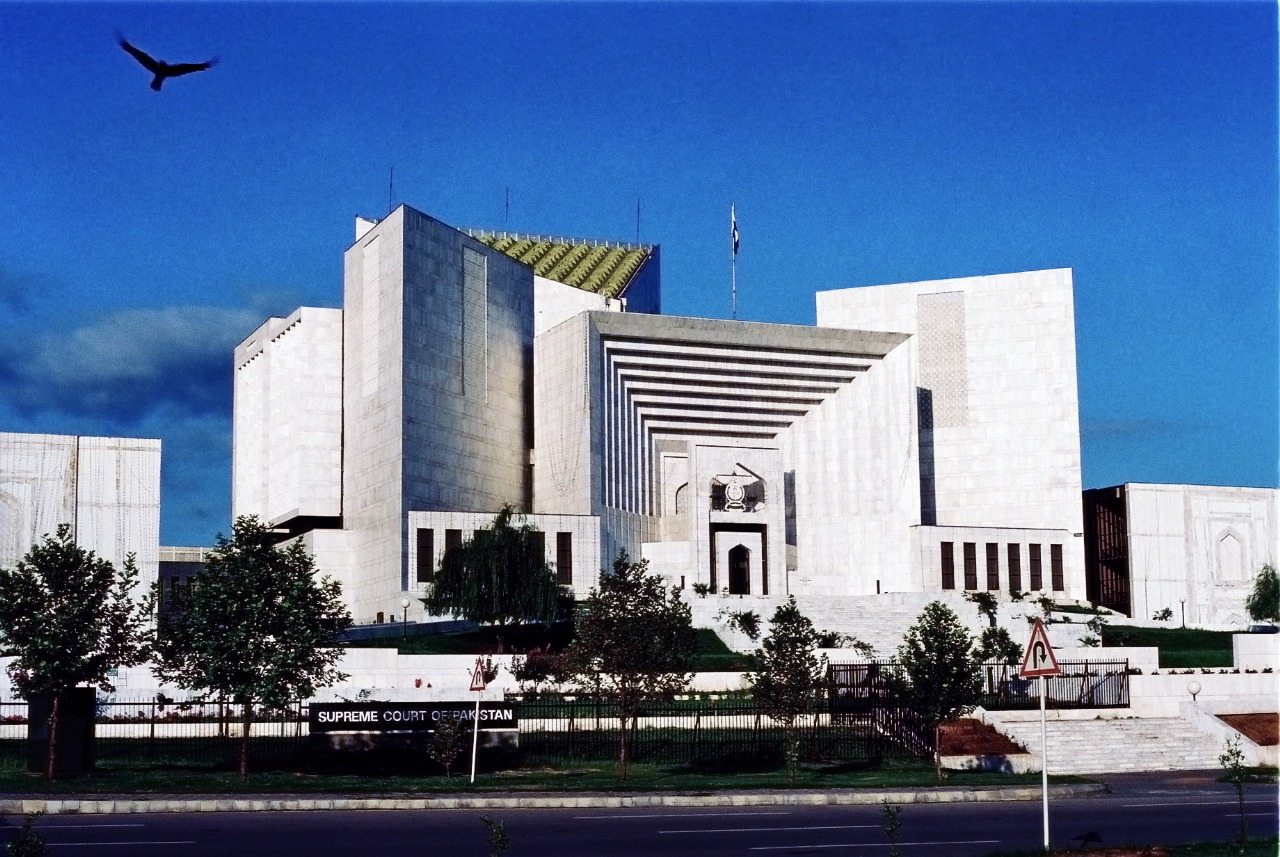
By Fatima Ghufran (Pakistan)
Historically and culturally, a career in law has always been deeply respected in Pakistan. It is traditionally viewed as a noble calling that brought together sharp legal minds, strong leadership, and a true commitment to fighting for social justice. The fact that the founding figures of the nation, including the Quaid and Allama Iqbal, were lawyers also adds to the appeal naturally. However, this enduring aura has resulted in an influx of students pursuing the discipline, often blindly, lured by the superficial glamour of social media reels and corporate aesthetics rather than a genuine commitment, and calling to the craft.
While an increase in young lawyers should be a symbol of progress, it has instead exposed deep cracks in the system. A Pakistani law student is caught in a mess, torn between the diverging international and local LL.B. degrees, while suffering from a total lack of courtroom exposure and guidance. Because there is no standard curriculum, rookie lawyers graduate entirely blank on foundational concepts like filing and court hierarchy. Paired with an exploitative, stipend free probation culture, this consistently forces bright minds out of the profession. This article highlights the profound disconnect between the presumed prestige of a Pakistani law degree, and the alarming woes that await graduates when they finally step into the field.
A major fracture in Pakistan’s legal education is the clash between local and external degree models, each possessing distinct advantages as well as shortcomings. The local LL.B, recently restructured from a five year to a four year program, offers direct exposure to Pakistani legislation, including essential procedural frameworks like the Civil Procedure Code (CPC) and Criminal Procedure Code (CrPC). While learning native jurisdiction is an obvious advantage, the system remains heavily weighed down by a culture of rote learning. By prioritizing the latter over rational thinking, local programs often fail to instill analytical and critical thinking abilities crucial to legal practice. This gap is precisely where external, UK based degrees find their footing. International programs force students out of their comfort zones through strict anti-plagiarism rules and a refusal to reward mere summaries or a reiteration of the law. To score well, a student cannot, for example, simply restate the standard definition of a duty of care in negligence, or the basic legal rule that a company is separate from its owners. Instead, they must actively evaluate the rationale behind these principles, expose the loopholes within them, and argue how the law should evolve. However, these programs are extremely expensive and leave students studying the statutes of a foreign jurisdiction rather than Pakistan’s. Consequently, both pathways create a crisis when graduates step into the practical field.
One of the most discouraging blows for young lawyers is an exploitative professional culture that relies on unpaid or heavily underpaid labor. Fresh graduates are routinely forced to work for zero or insultingly low stipends, with absolutely no job security, even long after their probation periods have ended. When juniors speak up, established senior lawyers often dismiss their struggles, saying that “this is just the way things are.” This implies that the legal field has effectively become a rich man’s profession!
This toxic environment has sparked resistance, especially on digital media. The recently launched Young Lawyers Movement Pakistan, initiated by Senior Advocate Aneeq Khatana, is actively resisting this status quo. He strongly emphasizes that young lawyers deserve “opportunity, dignity, and a fair chance to survive in the profession.” He highlights the importance of structured and meaningful reform, through mentorship and the role of institutions.
This movement has gained massive support from senior lawyers as well. As a recent article by Courting The Law notes, structural changes suggested by its founder, Barrister Taimur Malik, are desperately needed to protect juniors. .He suggested that Pakistan should introduce a formal trainee registration mechanism through the Bar Councils, similar to the UK model. Under this system, law firms would be required to register their trainees and report a fixed, reasonable compensation to ensure juniors are actually paid during their apprenticeship. Furthermore, Barrister Malik critiqued the current licensing system, arguing that once a lawyer gains a High Court license, there should be no additional gatekeeping to practice before the Supreme Court. By cutting out these unnecessary barriers that only benefit established practitioners, the legal community can finally give rookie lawyers a fair chance to earn their bread and butter.
For Pakistan’s legal field to truly honor its roots, it must look past superficial glamour and fix its broken foundations by incorporating sincere, and specific career counseling, and standardizing the curriculum to bridge the gap which is currently dividing the legal fraternity into different factions. Currently, a fresh graduate is being failed by a system that leaves them practically blind, and financially dependent on parents. This allows the law to become an exclusive club reserved only for the wealthy. True progress will only happen when institutions come together to replace rote learning with critical thinking, bridge the gap between local and foreign degrees, and ensure fair pay for rookies. Only then will rookie lawyers get a fair chance to survive, grow, and truly test whether they have what it takes to succeed in the field.
Author is a student of LLB Hons at University of London




This Post Has One Comment
The article is a persuasive call-to-action that highlights real problems affecting legal education and early-career lawyers in Pakistan. The author has invited attention of Policy makers on this matter.