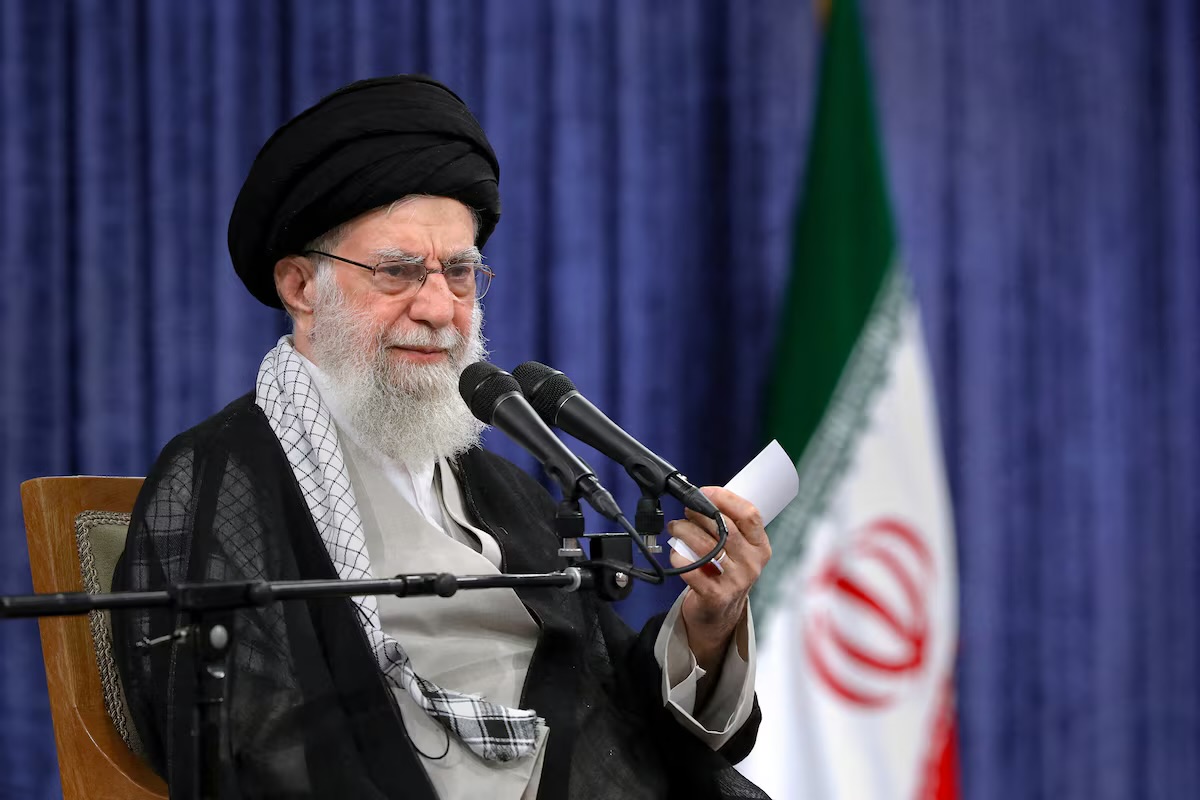
Tehran: Iranian state media has confirmed that Supreme Leader Ayatollah Ali Khamenei has been killed following coordinated US and Israeli strikes, declaring 40 days of national mourning across the Islamic Republic.
The announcement comes after hours of conflicting reports, denials, and claims from multiple governments regarding the fate of the 86-year-old cleric, who had ruled Iran since 1989.
Israeli Claim Followed by Iranian Confirmation
Israeli Prime Minister Benjamin Netanyahu said earlier that Israeli forces had struck what he described as the “compound of the tyrant Khamenei,” adding there were “many signs” that the Iranian leader was no longer alive.
“This morning we eliminated senior officials in the ayatollahs’ regime, Revolutionary Guards commanders and senior figures in the nuclear programme,” Netanyahu said in a video address. He vowed further military action in the coming days.
A senior Israeli official told Reuters that Khamenei’s body had been recovered after the strike. Satellite imagery reviewed by international media showed extensive damage to his compound in Tehran, with plumes of smoke rising from the site.
Iranian authorities had initially dismissed the reports as “mental warfare,” insisting that the supreme leader was “safe and sound.” Foreign Ministry spokesman Esmail Baghaei and Foreign Minister Abbas Araghchi both denied the claims earlier in the day.
However, late on Saturday, Iranian state television confirmed Khamenei’s death and announced an official 40-day mourning period in accordance with Shiite tradition.
Broader Military Escalation
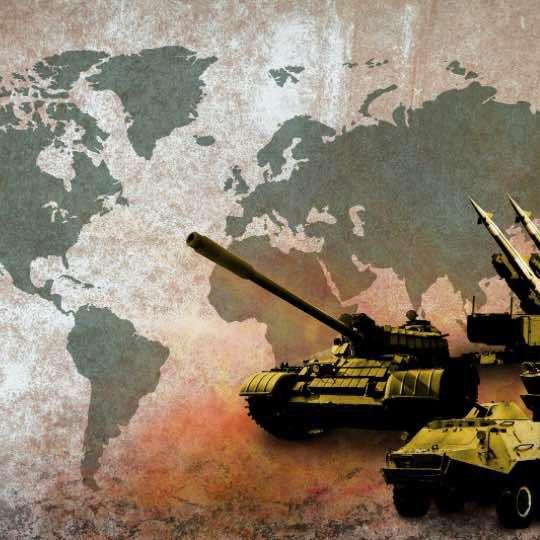
The reported killing followed a wave of Israeli and US strikes across Iran targeting strategic defence systems, military installations and facilities linked to Iran’s nuclear programme. Israel’s military said it hit hundreds of sites, including locations where senior officials were meeting.
US President Donald Trump declined to confirm the reports directly but said Washington believed the information circulating about Khamenei’s death was credible.
The strikes mark one of the most dramatic escalations between Iran and Israel in decades, coming amid heightened regional tensions and months of covert and overt hostilities.
Leadership Vacuum and Regional Uncertainty
Khamenei had held ultimate authority over Iran’s armed forces, judiciary and key state institutions for nearly four decades. As supreme leader, he shaped Iran’s regional posture, backing allied groups across the Middle East while advancing the country’s nuclear programme despite heavy sanctions.
His death raises immediate questions about succession and internal stability. Under Iran’s constitution, the Assembly of Experts is responsible for appointing a new supreme leader. Analysts warn that the transition could spark political infighting within the clerical establishment and the Islamic Revolutionary Guard Corps.
Iran has faced mounting domestic and external pressure in recent years, including widespread protests earlier this year that were met with force, as well as sustained military pressure on its nuclear and missile infrastructure.
Global Repercussions
Governments across the region and beyond are closely monitoring developments. Energy markets reacted sharply to the news, with concerns mounting over potential disruptions to oil supplies and shipping routes in the Gulf.
Diplomatic sources say emergency consultations are under way at the United Nations amid fears of further escalation between Iran, Israel and the United States.
As Iran enters an official period of mourning, uncertainty looms over the future direction of the Islamic Republic and the stability of an already volatile region.