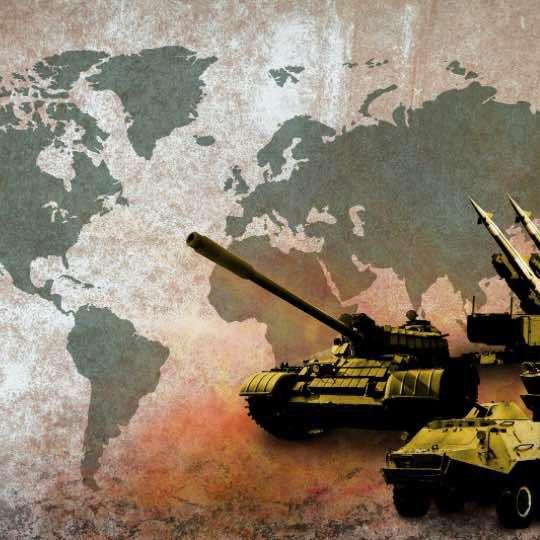
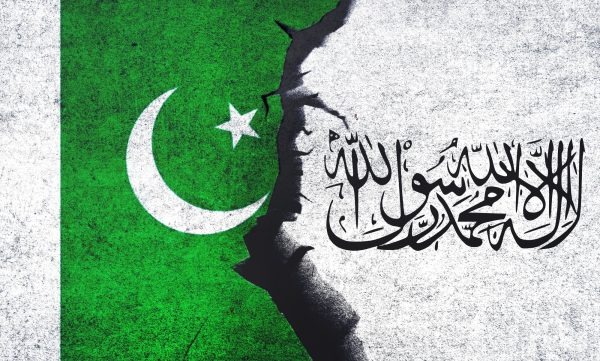
Islamabad: Pakistan has declared what it called an “open war” against Afghanistan, launching air and drone strikes on multiple cities including Kabul following a surge in cross-border violence that has left dozens dead.
Explosions were reported across the Afghan capital early Friday, with Taliban authorities confirming drone attacks and accusing Islamabad of targeting “defence locations” in Kabul, Kandahar and Paktia. Pakistan’s military said it had struck key Taliban-linked sites, claiming to have destroyed 22 Afghan military targets.
Islamabad said the operations were aimed at dismantling militant groups it alleges are operating from Afghan territory, including Tehrik-e-Taliban Pakistan (TTP) and other armed factions. Pakistan’s Defence Minister Khawaja Asif wrote on social media that the country’s “cup of patience has overflowed,” adding: “Now it’s an open war between us.”
Escalation and Counter-Strikes
Pakistani officials said their strikes killed more than 130 Taliban operatives and wounded over 200. Afghanistan’s Taliban-led Defence Ministry responded by announcing retaliatory air operations targeting “key” Pakistani military installations. Kabul claimed its forces struck sites in Islamabad, Abbottabad, Swabi and Nowshera, alleging dozens of Pakistani soldiers were killed.
Pakistan, however, said Afghan strikes resulted in the deaths of at least 12 of its soldiers.
The exchange marks one of the most serious escalations between the two neighbours since the Taliban returned to power in Kabul in 2021. Tensions have steadily risen over Pakistan’s repeated accusations that Afghanistan is sheltering anti-Pakistan militant groups responsible for a wave of deadly attacks across its territory. Afghan authorities deny those claims and counter that Pakistan has interfered in Afghan affairs.
Regional and International Calls for Restraint
The rapid escalation prompted urgent diplomatic outreach across the region. Qatar, which previously brokered talks between the two sides, confirmed discussions with officials in both Islamabad and Kabul. Turkey and Saudi Arabia also engaged in dialogue with Pakistan’s leadership, while Iran offered to facilitate negotiations.
The United Kingdom, Russia and international humanitarian organisations including the International Committee of the Red Cross urged both countries to step back from further military action and avoid civilian casualties.
Pakistan and Afghanistan had previously agreed to a truce mediated by Qatar and Turkey last October, but that arrangement lapsed amid renewed mistrust and accusations of ceasefire violations.
Relations at Breaking Point
Observers say relations between Islamabad and the Taliban government have deteriorated sharply. Pakistan initially supported diplomatic engagement with the Taliban after their takeover but has grown increasingly frustrated over cross-border militant activity.
Islamabad recorded nearly 4,000 deaths from insurgent violence in 2025 — the deadliest year in a decade — heightening domestic pressure on the government and military to respond forcefully.
Security analysts warn the latest confrontation risks plunging the region into prolonged instability, with fears that Afghanistan could again become a hub for militant groups with regional and global ambitions.
As air operations continue on both sides, diplomats are racing to prevent further escalation between the nuclear-armed Pakistan and its war-torn neighbour.