Qambar Ali (Pakistan)
A video went viral capturing the farewell party for Afghan girls in a school in Shangla. At the time of departure, the girls hugged each other and broke into sobs. Parents, teachers, and everyone else in the hall were so moved that they could not hold back their tears. Even people who watched the video cried silently.
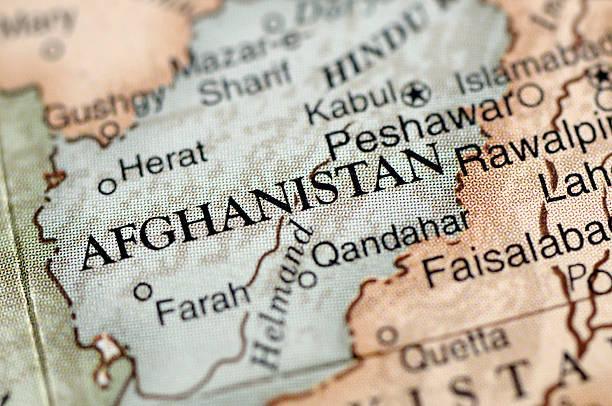
This is one bit of individual suffering that the repatriation of Afghan nationals brought to families. Students, traders, labors, and many professionals, across all genders and ages, had to leave Pakistan, in the wake of Pakistan-Afghanistan war. Sadly, the education of thousands of Afghan girls was upended and now they have no hope to continue in Afghanistan under the repressive regime of Afghan Taliban.
The government of Pakistan asserts that the ungrateful Afghan Taliban bite the hands feeding them through their support for the Pakistani Taliban who have killed thousands of security personnel and civilians, and bombed schools and polio centers. Nobody is denying all this.
Yet, the disproportionate response in the form of forced repatriation should have been thought through. Time will tell whether this decision would bring peace to the frontier and mainland regions of Pakistan. But we certainly lost a leverage not over Kabul but over a large portion of Afghan population who could have done something for better relations with Pakistan down the decades.
Back to the emotional part of it. Almost all the Afghan refugee camps witnessed peaceful migration and brawls did not break out between the locals and Afghans. I remember the time when a small border skirmish would inflame the locals and result into fistfights. This time around, when the fighting broke out between Pakistani and Afghan Taliban forces, even in the largest Afghan camp in Haripur, Afghans and locals met each other with smile and joked about each other losses.
Among the Pakistanis, there is a clarity that Afghan Taliban and not the ordinary Afghan are to blame for the cross-border terrorism and civilian casualties. The government disagrees on this and points out the large number of Afghan nationals involved in high profile attacks across Khyber Pakhtunkhwa. They come in the form of lashkars and target high profile security installations. These incidents have further hardened the government’s posturing and the Afghan nationals were forced to leave.
Apparently, the Afghan nationals are the only lot to be bearing the brunt of deteriorated relations between the two states. If one looks a little beyond, Pakistani traders, transporters, and daily labors, have been suffering from the closure of borders with Afghanistan. A sane person cannot question the move as the border closure was necessary to prevent the infiltration of militants embedded in moving migrations. Since it has been a while since the closure of borders, a middle way could be found to open the borders and arrest the cross-border attacks of militants.
Prolonged closure would directly and indirectly hurt the millions of innocent families on both sides of borders who have nothing to do with the crimes of Afghan Taliban.
Pakistan should generously give visas to Afghan businessmen, traders, professionals, and labors. A soft spot should be carefully cultivated, creating a stake for them in Pakistan. I got a chance to talk to hundreds of returning Afghans and everyone was grateful for the opportunities and hospitality here. The federal government should make people-to-people connection a central part of its Afghan policy. It must clearly state that the Afghan Taliban should mend their ways and that the ordinary Afghans are our brothers.
Recent events around repatriation witnessed emotionally charged farewells and hugging. Afghans sold their belongings to their neighbors at a cheap rate and some were given free. They demolished their homes, heavy at heart, and loaded few things on to a truck and moved peacefully towards Pak-Afghan border.