By Mohsen Daneshyar (Afghanistan)
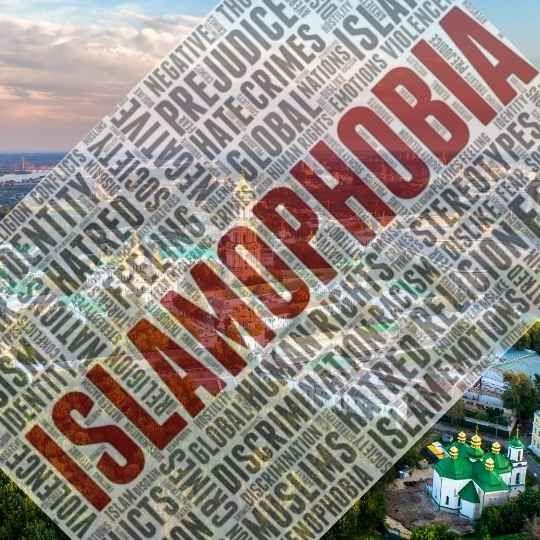
Since the start of Russia’s full-scale war against Ukraine in 2022, not only has the security and humanitarian crisis in the country intensified, but there has also been a widespread wave of Islamophobia, racial discrimination, and violence by far-right groups against Muslims and refugees. Reports from human rights organizations and international media indicate that violence against Muslims, Roma, and migrants of “non-Slavic appearance” has increased, and many of them face physical threats, harassment, and serious restrictions.
Far-Right Violence and Restrictions Against Muslim Communities:
According to a Human Rights Watch report, radical groups such as C14 and Right Sector have been systematically attacking Muslims and migrants. These attacks have included threats, assaults, vandalism of religious sites, and harassment of clerics, often without serious response from government authorities.
The Ukrainian non-profit organization Razum Is Zakonom describes neo-Nazi propaganda in a UN report that
“depicts all dark-skinned people as Muslims and enemies.”
The government’s failure to address Muslim complaints to the SBU and the surveillance cameras in Kyiv’s Islamic centers also indicate a lack of support. In addition, the denial of land for mosques and cemeteries, police inspections under the guise of “control of extremism,” and pressure on clerics have made Muslims in Ukraine more vulnerable.
Racial Discrimination and Refugee Restrictions at the Border
According to reports by Various media outlets, refugees are being held for hours at the Polish-Ukrainian border without access to basic services, while white Ukrainians are being accepted with full priority.
Statements by some politicians, including the Bulgarian Prime Minister, suggest that Ukrainians are described as “civilized” and Muslims as “uncivilized.” The Europe 2022 Islamophobia Report also emphasizes that Muslims in Ukraine face rejection, violence, and exclusion, while Christian refugees receive greater acceptance and support.
This systematic discrimination, combined with legal and social restrictions, has exacerbated the crisis of Muslim refugees in Ukraine and has paved the way for increased hatred and violence against them.
The role of the Media and Stereotypes
Western and Ukrainian media also play a role in exacerbating Islamophobia. Reports by different international news outlets have compared Ukrainians to “Europeans” and described migrants from Iraq or Afghanistan as “uncivilized.” The New Arab and Daily Sabah have also pointed to this racist view of the media.
These stereotypes have led the international community and even ordinary citizens to view Ukrainian Muslims as a threat or “alien,” while the government is responsible for protecting their rights.
Zelensky’s Government’s Policy and the Support Vacuum
Reports from the United Nations and Human Rights Watch show that President Zelensky’s government has not done enough against far-right groups and that their attacks on Muslims have gone unpunished. Ignoring Muslim complaints to the SBU, denying mosques legal registration, and restricting their religious activities are indicative of an indirect policy of supporting Islamophobia. This policy is interpreted as a way to maintain Nationalist loyalty in times of war, under the guise of “putting Ukrainians first,” and highlights Kyiv’s role in fueling hatred against Muslims.
Social Consequences
The escalation of Islamophobia and racial discrimination not only violates the fundamental rights of Muslims, but also increases humanitarian crises, forced migration, social isolation, and limited access to education and public services.
Organizations and experts warn that if far-right groups are not punished and legal protection for Muslims is not provided, war-induced Islamophobia will continue, and Muslim communities in Ukraine will be at risk of violence and structural discrimination.
Author is a student of PhD in International Relations


This Post Has One Comment
Pingback: Britain’s Islamophobia Crisis is No Longer Invisible - The Advocate Post